39 posts tagged with "announcements"

View all tags

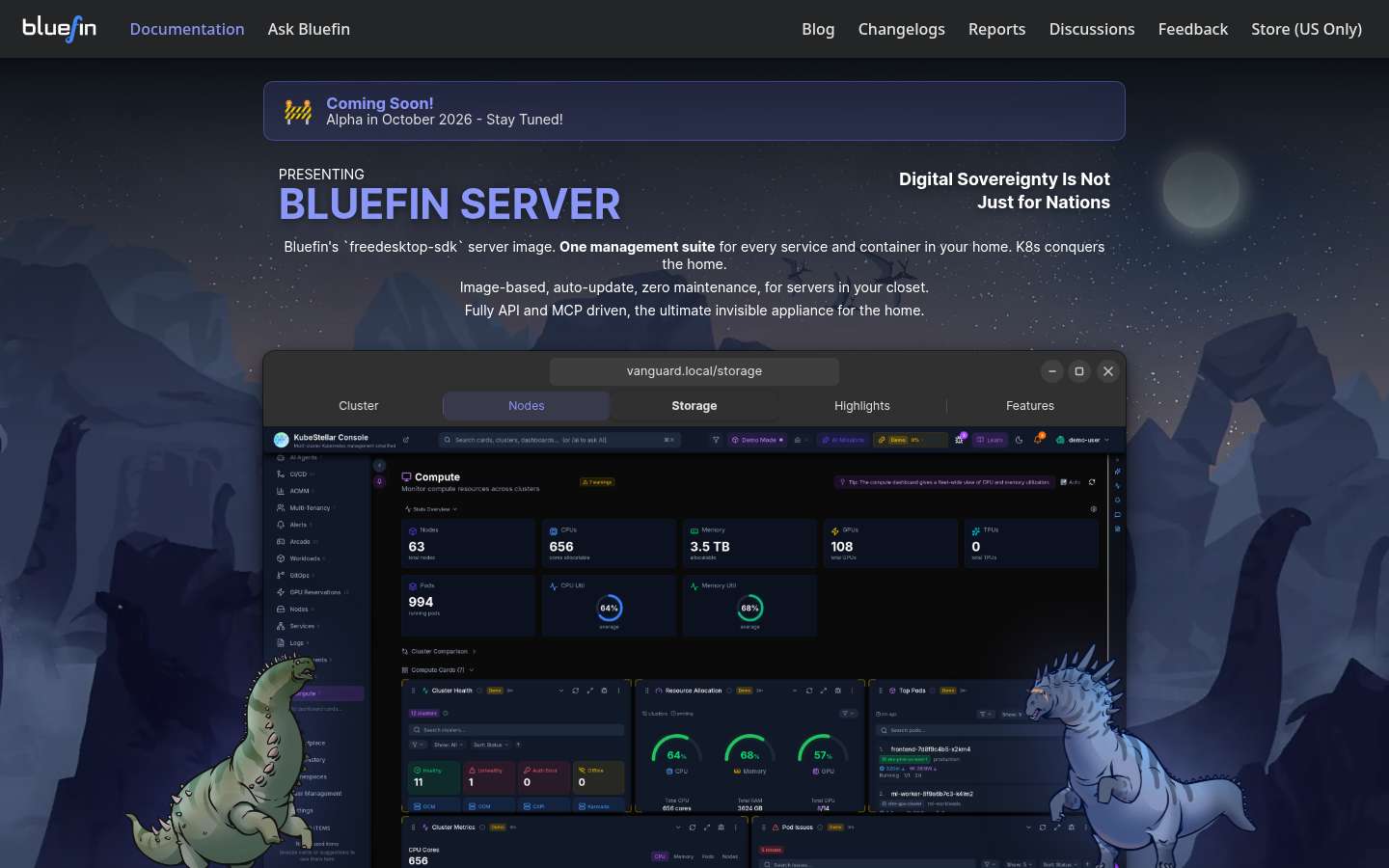
Bluefin Server Alpha 2

· 4 min read
Project Bluefin
Automation & Factory

Alright, here it is, Bluefin Server, this one actually boots. This is the base of the Bluefin Factory, the thing you'll build your homelab on. And in turn, your desktops or whatever you want. Kubernetes for the home.

Bluefin Server

An FSDK-based, image-based Linux server OS.**

To celebrate this milestone, enjoy the latest video, with some fresh lore!

Bluefin Server targets the same use-case space as Flatcar Container Linux, Kairos, Fedora CoreOS, and Talos, but is built from scratch with BuildStream 2 from freedesktop-sdk (FSDK 26.08) components and uutils coreutils.

It is designed to be installed and then managed entirely through the Kubestellar GUI. I'll be releasing point releases quickly over the next few days. After the install it will give you a web address, then you go to it on your computer. Then that's it, your perfect home server.

Except the dashboards are empty. The more people we have making these the better, including a ZFS one! This variant will have ZFS support so now's the time to jump onboard!

It is DDI first: the OS payload is a compressed XFS DDI filesystem image that is deployed by an offline, systemd-native installer.

Release status: Alpha

Bluefin Server is currently in Alpha:

  • Milestone status: Phase A (reproducible build path, uutils, k0s sysext, graph validation) is complete. Phase B (automated boot verification on lab cluster) is in progress.
  • systemd-sysupdate should work, we're about to find out! configurations.
  • Readiness roadmap: Track completed criteria and remaining gates toward 1.0 in docs/MVP_1_0_READINESS.md.

How this works

  • A/B root rollback — an MVP 1.0 gate: 50-root.transfer names root-a and root-b; the installer currently creates only root-a.
  • DDI-first delivery — the installer embeds the OS payload as a data partition; no network is required at install time. This is basically Linux systemd style.
  • Minimal, distroless OS image — no shell in the running rootfs by default IS what we are shooting for. We'll probably fail at this lol.
  • systemd-native installersystemd-sysinstall provides the interactive terminal UI and systemd-repart handles partitioning and block-copy DDI placement. Finally distro installers can all go die!
  • Optional k0s as a systemd-sysext so the base image stays distroless. We started with k3s but I want to see how this one goes, stripped down for the home.

SSH ON: SSH is enabled for cluster boot tests and remote debugging. It is scheduled for removal once diagnostics move to serial logs or a guest agent. See docs/skills/factory-integration.md.

Quick start

Bare metal sorely needed! However this runs on any Linux, feel free to fire up a VM and start designing that dashboard! Once we get home assistant and all the goodies it'll be amazing! Thanks for checking it out!

You need only podman and just. BuildStream runs inside the FSDK bst2 container, so BuildStream is not installed locally.

just validate # resolve the element graph
just show-me-the-future # end-to-end QEMU installer smoke test

See AGENTS.md for the full build command matrix, hard rules, and agent skill routing.

Contributing

See CONTRIBUTING.md for the contributor checklist, Conventional Commit rules, and docs/skills/index.md for task-specific guidance.

Announcing mcp.projectbluefin.io

· 2 min read
Jorge O. Castro
Director of Dinosaurs

Model Context Protocol (MCP) is an open protocol for LLMs and agents to talk to each other. We're now serving the Project Bluefin organization knowledge base and live factory state at https://mcp.projectbluefin.io/mcp.

Right now hive.projectbluefin.io exposes an API that has things that are useful for agents. We use it to dole out work to volunteers and to get review tasks. This is what's letting us scale out in ways we haven't been able to before. Hive has a nice Knowledge Base that it exposes, so this initial cut is to search that knowledge. This is mostly useful to connect whatever agent you use to our stuff and get context for your agent. So if you want to do Bluefin things you just add this. I've updated the Agentic Contributor Guide, note that our hive API endpoints are published, so if you're building a deep integration it probably makes sense to work with the Hive API directly. Feedback and usage notes welcome!

Endpoint Details

  • URL: https://mcp.projectbluefin.io/mcp
  • Transport: Streamable HTTP / Server-Sent Events (SSE)
  • Authentication: None (public, read-only)
  • Health Check: https://mcp.projectbluefin.io/health

Available Tools

Here's what's exposed:

ToolDescriptionParameters
search_knowledgeSearch Project Bluefin knowledge base: engineering patterns, test coverage gaps, CI conventions, and repo findings across projectbluefin/*.query (string, required)
limit (integer 1–25, default 10)
get_factory_statusLive factory status from Hive: hub health, active contributors, actionable items, per-tier limits.None
get_work_queueLive work queue and triage state from Hive: issues ready to implement and triage grouping.limit (integer 1–25, default 10)
get_index_statusOperational health, record count, and timestamp of the published knowledge index.None
get_quickstartOnboarding checklists (first-pr, run-tests, factory-gates, branch-rules).topic (enum, required)
get_repository_mapHigh-level component map, entrypoints, and branch targets for bluefin, bluefin-lts, common, dakota, documentation.repo (enum, required)

Archaeopteryx August 2026

· 63 min read
Project Bluefin
Automation & Factory
Completed work
258
24 planned • 234 opportunistic
Contributors
16
0 first-time contributors

Activity

Completed work across the configured factory portfolio.

Daily merge calendar

Daily merged pull requests

541merged pull requests
Source: GitHub GraphQL · August 2026 UTC (2026-08-01 to 2026-08-31)
Show the numbers
Daily merged pull requests data for August 2026 UTC (2026-08-01 to 2026-08-31)
LabelMerged pull requests
2026-08-0138
2026-08-0220
2026-08-0330
2026-08-0414
2026-08-0512
2026-08-0610
2026-08-07117
2026-08-0820
2026-08-0954
2026-08-108
2026-08-113
2026-08-125
2026-08-1310
2026-08-145
2026-08-1515
2026-08-1611
2026-08-177
2026-08-188
2026-08-195
2026-08-2014
2026-08-2121
2026-08-2217
2026-08-238
2026-08-2419
2026-08-257
2026-08-2614
2026-08-274
2026-08-2811
2026-08-2910
2026-08-3022
2026-08-312

Repository comparison

Merged pull requests by repository

541merged pull requests
Source: GitHub GraphQL · August 2026 UTC (2026-08-01 to 2026-08-31)
Show the numbers
Merged pull requests by repository data for August 2026 UTC (2026-08-01 to 2026-08-31)
LabelMerged pull requests
projectbluefin/actions44
projectbluefin/bluefin155
projectbluefin/bluefin-lts38
projectbluefin/bonedigger3
projectbluefin/common50
projectbluefin/dakota92
projectbluefin/documentation18
projectbluefin/finpilot49
projectbluefin/iso1
projectbluefin/server4
projectbluefin/testsuite67
projectbluefin/utah6
projectbluefin/utah-packages14

Category distribution

Merged pull requests by label

435label assignments
Source: GitHub GraphQL · August 2026 UTC (2026-08-01 to 2026-08-31)
Show the numbers
Merged pull requests by label data for August 2026 UTC (2026-08-01 to 2026-08-31)
LabelLabel assignments
1-triage3
3-clanker-queue41
4-review38
agent/contributor2
automerge52
chore/deps52
cli/copilot2
contributor/castrojo2
dependencies2
hold13
javascript2
kde9
lgtm23
needs-human1
pr/needs-review67
quality3
release/ready63
renovate/high-risk16
renovate/low-risk3
runner9
security6
size:M1
size:S2
size:XL1
size:XS19
testing3

Stable portfolio

  • projectbluefin/bluefin
  • projectbluefin/bluefin-lts
  • projectbluefin/dakota
  • projectbluefin/testsuite
  • projectbluefin/server
  • projectbluefin/actions
  • projectbluefin/bonedigger
  • projectbluefin/aurorafin-shared
  • projectbluefin/common
  • projectbluefin/documentation
  • projectbluefin/branding
  • projectbluefin/iso
  • projectbluefin/finpilot

Experimental portfolio

  • projectbluefin/utah
  • projectbluefin/utah-packages

Delivery

Publishing-lane outcomes, cadence, duration, and release events.

Factory Publishing Lanes

Bluefin Testing
projectbluefin/bluefin
! 0%
0Passed
3Failed
65mMedian Run

Pending runs: 5

Run History
0Passed
0Failed
Median Run

Pending runs: 30

Run History
71Passed
2Failed
39mMedian Run

Pending runs: 12

Run History

Cadence and duration trend

Publishing-lane cadence

123publish runs
Source: GitHub Actions · August 2026 UTC (2026-08-01 to 2026-08-31)
Show the numbers
Publishing-lane cadence data for August 2026 UTC (2026-08-01 to 2026-08-31)
LabelBluefin TestingBluefin LTSDakota
2026-08-01000
2026-08-02000
2026-08-03000
2026-08-04000
2026-08-05000
2026-08-06000
2026-08-07000
2026-08-08000
2026-08-09000
2026-08-10000
2026-08-11000
2026-08-12000
2026-08-13000
2026-08-14000
2026-08-15000
2026-08-16000
2026-08-17000
2026-08-18000
2026-08-19000
2026-08-20000
2026-08-21010
2026-08-22010
2026-08-23010
2026-08-24603
2026-08-25004
2026-08-26107
2026-08-27009
2026-08-280735
2026-08-290016
2026-08-301117
2026-08-31094

Release-event timeline

Release events

13release events
Source: GitHub Releases API · August 2026 UTC (2026-08-01 to 2026-08-31)
Show the numbers
Release events data for August 2026 UTC (2026-08-01 to 2026-08-31)
LabelRelease events
2026-08-071
2026-08-061
2026-08-051
2026-08-041
2026-08-031
2026-08-021
2026-08-011
2026-08-311
2026-08-281
2026-08-241
2026-08-211
2026-08-191
2026-08-151

Participation

Human and automated contributions with current contributors.

Human and automation activity

Human and automation activity

541pull requests
Source: GitHub GraphQL · August 2026 UTC (2026-08-01 to 2026-08-31)
Show the numbers
Human and automation activity data for August 2026 UTC (2026-08-01 to 2026-08-31)
LabelHumanAutomation
Report period258283

Ecosystem context

Public ecosystem measures labelled with their native source windows.

Countme trend

Countme active systems

3920estimated weekly active systems
Source: Countme · Through 2026-07-27
Show the numbers
Countme active systems data for Through 2026-07-27
LabelActive systems
week-13561
week-23672
week-33606
week-43712
week-53780
week-63667
week-73584
week-83678
week-94195
week-103920

Homebrew trend

Homebrew tap additions

14package additions
Source: Homebrew taps · August 2026 UTC (2026-08-01 to 2026-08-31)
Show the numbers
Homebrew tap additions data for August 2026 UTC (2026-08-01 to 2026-08-31)
LabelAdditions
Production tap2
Experimental tap12

Flathub trend

Flathub trendData unavailable: Flathub statistics could not be read.

Release details remain on the canonical /changelogs surface.

Completed work

Dakota (GNOME OS Prototype)

Contributors

Loading...
Loading...
Loading...
Loading...
Loading...
Loading...
Loading...
Loading...
Loading...
Loading...
Loading...
Loading...
Loading...
Loading...
Loading...
Loading...

Sources

  • github-activity: available (2026-08-01 to 2026-08-31): source
  • github-lanes: available (2026-08-01 to 2026-08-31): source
  • github-releases: available (2026-08-01 to 2026-08-31): source
  • github-releases: available (2026-08-01 to 2026-08-31): source
  • github-releases: available (2026-08-01 to 2026-08-31): source
  • github-releases: available (2026-08-01 to 2026-08-31): source
  • github-releases: available (2026-08-01 to 2026-08-31): source
  • countme: available (2026-08-01 to 2026-08-31): source
  • homebrew: available (2026-08-01 to 2026-08-31): source
  • flathub: unavailable — Flathub statistics could not be read. (2026-08-01 to 2026-08-31): source

Jovial July 2026

· 47 min read
Project Bluefin
Automation & Factory
Completed work
126
19 planned • 107 opportunistic
Contributors
11
0 first-time contributors

Activity

Completed work across the configured factory portfolio.

Daily merge calendar

Daily merged pull requests

553merged pull requests
Source: GitHub GraphQL · July 2026 UTC (2026-07-01 to 2026-07-31)
Show the numbers
Daily merged pull requests data for July 2026 UTC (2026-07-01 to 2026-07-31)
LabelMerged pull requests
2026-07-0126
2026-07-0213
2026-07-0312
2026-07-049
2026-07-058
2026-07-0614
2026-07-077
2026-07-0813
2026-07-098
2026-07-106
2026-07-1114
2026-07-129
2026-07-137
2026-07-1410
2026-07-154
2026-07-167
2026-07-176
2026-07-187
2026-07-1931
2026-07-2087
2026-07-2134
2026-07-2214
2026-07-2317
2026-07-2412
2026-07-2524
2026-07-2615
2026-07-2717
2026-07-2840
2026-07-2948
2026-07-3020
2026-07-3114

Repository comparison

Merged pull requests by repository

553merged pull requests
Source: GitHub GraphQL · July 2026 UTC (2026-07-01 to 2026-07-31)
Show the numbers
Merged pull requests by repository data for July 2026 UTC (2026-07-01 to 2026-07-31)
LabelMerged pull requests
projectbluefin/actions38
projectbluefin/bluefin166
projectbluefin/bluefin-lts52
projectbluefin/common39
projectbluefin/dakota71
projectbluefin/documentation18
projectbluefin/finpilot72
projectbluefin/iso2
projectbluefin/server3
projectbluefin/testsuite92

Category distribution

Merged pull requests by label

525label assignments
Source: GitHub GraphQL · July 2026 UTC (2026-07-01 to 2026-07-31)
Show the numbers
Merged pull requests by label data for July 2026 UTC (2026-07-01 to 2026-07-31)
LabelLabel assignments
4-review471
agent/contributor1
automerge6
chore/deps6
cli/copilot1
contributor/castrojo1
kde3
pr/needs-review11
release/ready10
runner3
size:XS12

Stable portfolio

  • projectbluefin/bluefin
  • projectbluefin/bluefin-lts
  • projectbluefin/dakota
  • projectbluefin/testsuite
  • projectbluefin/server
  • projectbluefin/actions
  • projectbluefin/bonedigger
  • projectbluefin/aurorafin-shared
  • projectbluefin/common
  • projectbluefin/documentation
  • projectbluefin/branding
  • projectbluefin/iso
  • projectbluefin/finpilot

Experimental portfolio

  • projectbluefin/utah
  • projectbluefin/utah-packages

Delivery

Publishing-lane outcomes, cadence, duration, and release events.

Factory Publishing Lanes

Bluefin Testing
projectbluefin/bluefin
△ 87%
13Passed
2Failed
44mMedian Run

Pending runs: 4

Run History
19Passed
11Failed
23mMedian Run

Pending runs: 6

Run History
14Passed
8Failed
61mMedian Run

Pending runs: 15

Run History

Cadence and duration trend

Publishing-lane cadence

92publish runs
Source: GitHub Actions · July 2026 UTC (2026-07-01 to 2026-07-31)
Show the numbers
Publishing-lane cadence data for July 2026 UTC (2026-07-01 to 2026-07-31)
LabelBluefin TestingBluefin LTSDakota
2026-07-01000
2026-07-02000
2026-07-03000
2026-07-04000
2026-07-05000
2026-07-06000
2026-07-07000
2026-07-08000
2026-07-09000
2026-07-10000
2026-07-11000
2026-07-12000
2026-07-13000
2026-07-14000
2026-07-15000
2026-07-16000
2026-07-17000
2026-07-18000
2026-07-19000
2026-07-20000
2026-07-21000
2026-07-22000
2026-07-23000
2026-07-24000
2026-07-25000
2026-07-260180
2026-07-27030
2026-07-28100
2026-07-2913616
2026-07-303612
2026-07-31239

Release-event timeline

Release events

50release events
Source: GitHub Releases API · July 2026 UTC (2026-07-01 to 2026-07-31)
Show the numbers
Release events data for July 2026 UTC (2026-07-01 to 2026-07-31)
LabelRelease events
2026-07-201
2026-07-191
2026-07-181
2026-07-171
2026-07-161
2026-07-151
2026-07-141
2026-07-131
2026-07-121
2026-07-111
2026-07-101
2026-07-091
2026-07-081
2026-07-071
2026-07-061
2026-07-051
2026-07-041
2026-07-031
2026-07-021
2026-07-011
2026-07-311
2026-07-301
2026-07-291
2026-07-281
2026-07-271
2026-07-261
2026-07-251
2026-07-241
2026-07-231
2026-07-221
2026-07-211
2026-07-201
2026-07-191
2026-07-181
2026-07-171
2026-07-161
2026-07-151
2026-07-141
2026-07-131
2026-07-121
2026-07-111
2026-07-101
2026-07-091
2026-07-081
2026-07-071
2026-07-061
2026-07-311
2026-07-111
2026-07-201
2026-07-111

Participation

Human and automated contributions with current contributors.

Human and automation activity

Human and automation activity

553pull requests
Source: GitHub GraphQL · July 2026 UTC (2026-07-01 to 2026-07-31)
Show the numbers
Human and automation activity data for July 2026 UTC (2026-07-01 to 2026-07-31)
LabelHumanAutomation
Report period126427

Ecosystem context

Public ecosystem measures labelled with their native source windows.

Countme trend

Countme active systems

3920estimated weekly active systems
Source: Countme · Through 2026-07-27
Show the numbers
Countme active systems data for Through 2026-07-27
LabelActive systems
week-13561
week-23672
week-33606
week-43712
week-53780
week-63667
week-73584
week-83678
week-94195
week-103920

Homebrew trend

Homebrew tap additions

3package additions
Source: Homebrew taps · July 2026 UTC (2026-07-01 to 2026-07-31)
Show the numbers
Homebrew tap additions data for July 2026 UTC (2026-07-01 to 2026-07-31)
LabelAdditions
Production tap1
Experimental tap2

Flathub trend

Flathub trendData unavailable: Flathub statistics could not be read.

Release details remain on the canonical /changelogs surface.

Completed work

Dakota (GNOME OS Prototype)

Contributors

Loading...
Loading...
Loading...
Loading...
Loading...
Loading...
Loading...
Loading...
Loading...
Loading...
Loading...

Sources

  • github-activity: available (2026-07-01 to 2026-07-31): source
  • github-lanes: available (2026-07-01 to 2026-07-31): source
  • github-releases: available (2026-07-01 to 2026-07-31): source
  • github-releases: available (2026-07-01 to 2026-07-31): source
  • github-releases: available (2026-07-01 to 2026-07-31): source
  • github-releases: available (2026-07-01 to 2026-07-31): source
  • github-releases: available (2026-07-01 to 2026-07-31): source
  • countme: available (2026-07-01 to 2026-07-31): source
  • homebrew: available (2026-07-01 to 2026-07-31): source
  • flathub: unavailable — Flathub statistics could not be read. (2026-07-01 to 2026-07-31): source

Five Years of Bluefin

· 15 min read
Jorge O. Castro
Director of Dinosaurs

First let's celebrate. It's five years of Bluefin and Universal Blue! Thanks for riding with us. Starting later this year you can join Bluefin, Rafael, and the rest of cloud native as Bluefin comes to your hands.

We're proud to announce Seven Days to the Wolves, a comic and musical series set in an alternate future where Maintainer-Guardians fight alongside users for survival. We hope to expand this into the world's first cloud-native musical to be performed live at KubeCon (We have goals!).

In the meantime, enjoy this multi-hour metal maelstrom of death and destruction. #stopjohnbazzite

BLUEFIN: SEVEN DAYS TO THE WOLVES

Will you be ready when they come?

Parts of the story will be dropping over the next few years and will star some of your favorite OSS heroes!
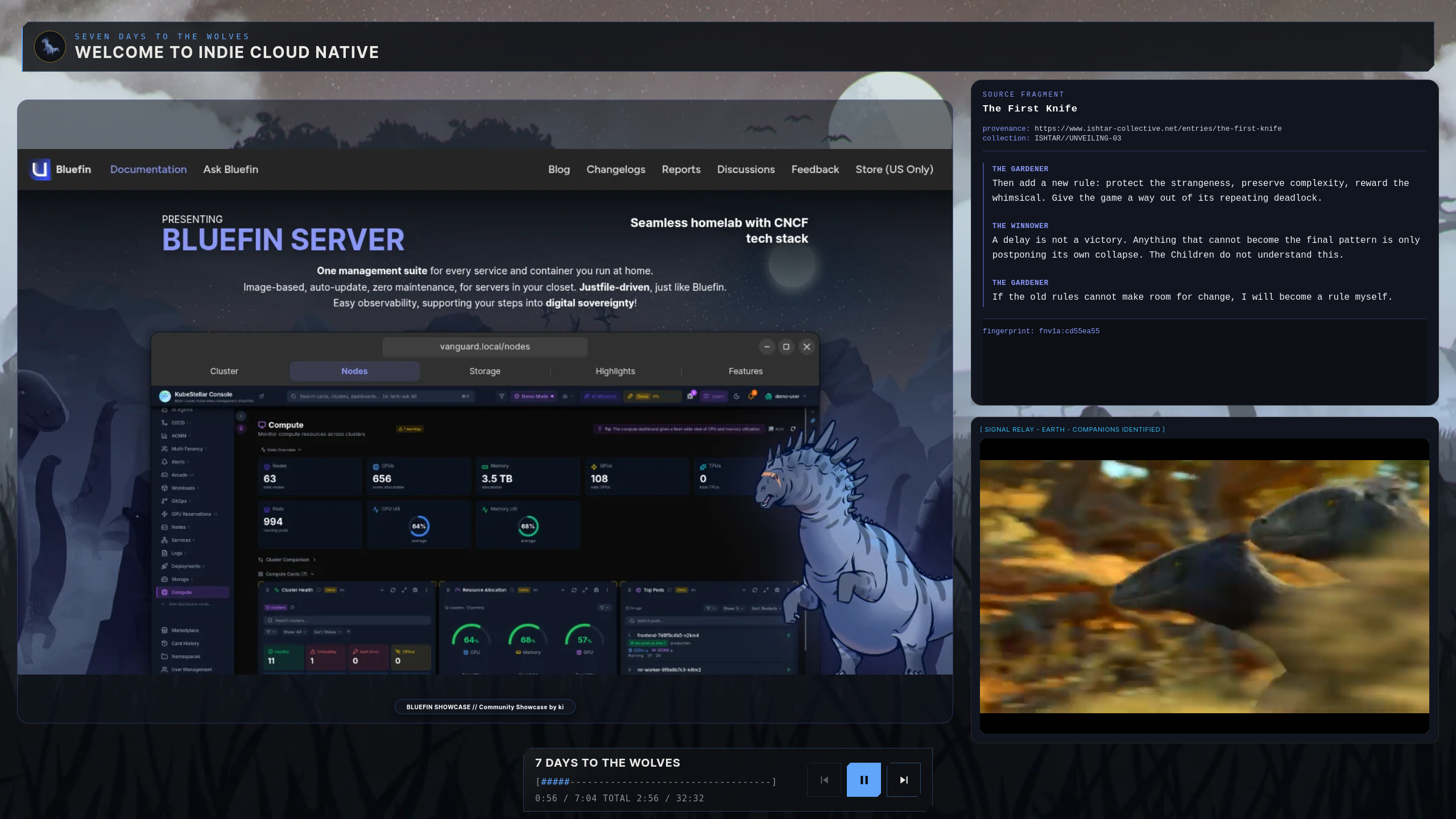
Bluefin Server showcase with the Seven Days to the Wolves player

The Great Migration

We're in the process to moving to the factory to build Bluefin. This process is opt in and will be a transparent to most of you. The TLDR is you'll see your image name change from gchr.io/ublue-os/bluefin to projectbluefin/bluefin.

It's midsummer so not a bunch of changes on the images. We'll work on this in 2H2026 so for now there's no need to worry, just chill and enjoy your Linux!

Bluefin
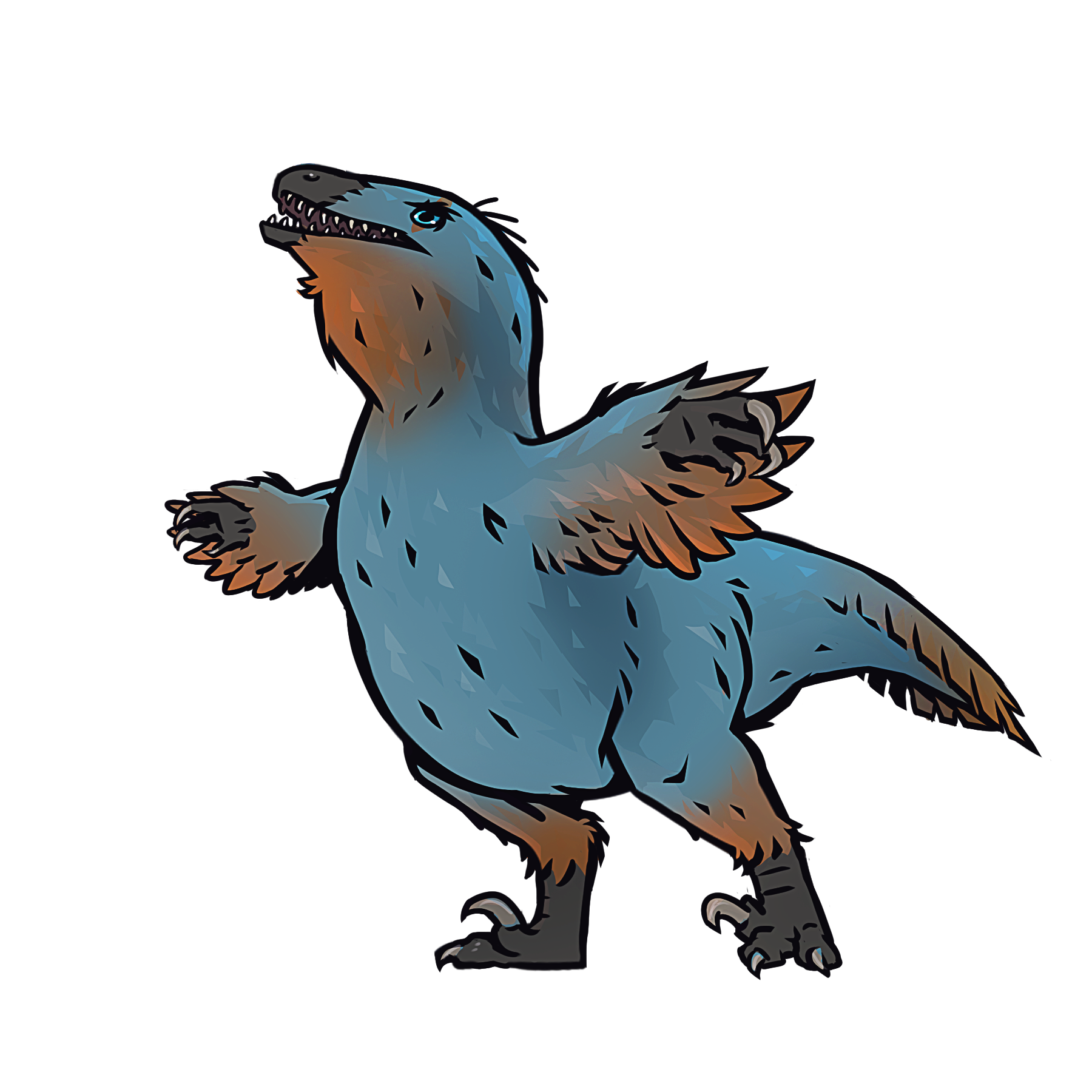
Bluefin

Let's start with Bluefin.

The new Bluefin is a tad smaller. We're dropping the dedicated DX images, everything we support is in brew now and is operating system agnostic. We aim to ship the most popular developer environments in cloud native and hope you give us feedback on things. ujust devmode is the CLI and remains unchanged.

Don't expect many changes here other than moving to sealed images at some point. projectbluefin/bluefin:next is in place if anyone wants to start working on that.

Anyone who is interested in driving forward with the Fedora base images is encouraged to work here. This is also the first time this Bluefin has an aarch64 version!

Bluefin LTS
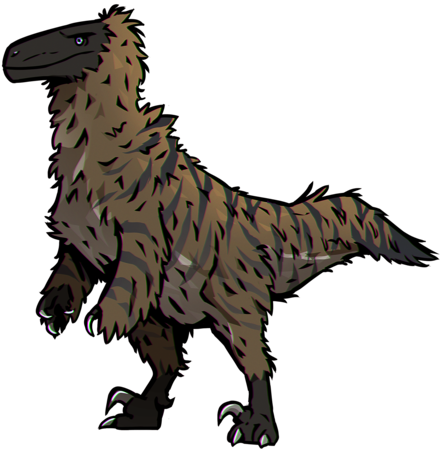
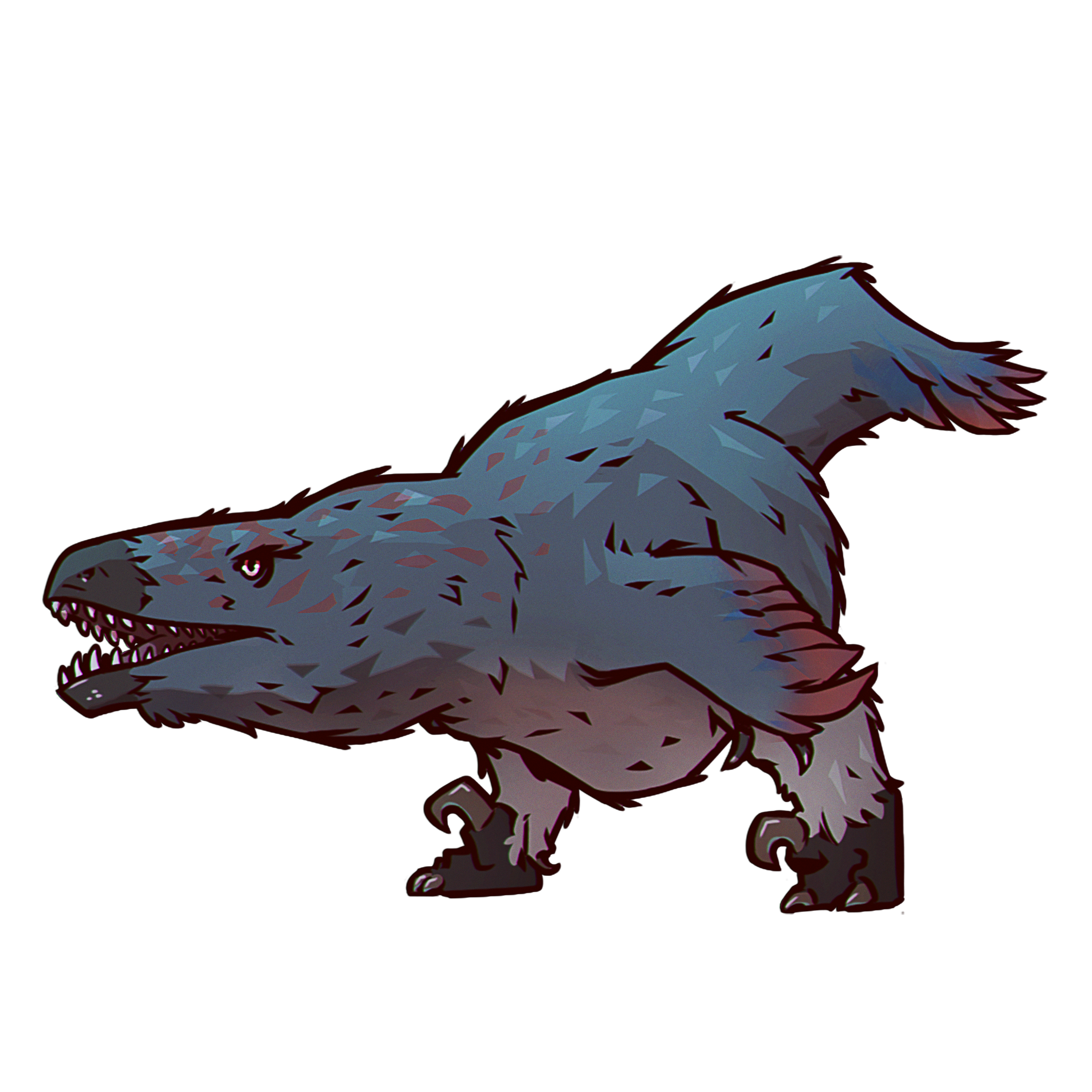
Bluefin Achillobator

Bluefin LTS has also moved over to the factory. Bluefin GDX users have been moved here already. Nothing to report, though we turned off the ISO downloads to the old versions so people don't get confused. Once everything is set here we'll relaunch new ISOs.

Not much to say here, I'm mostly here for the fuzzy brown guy. Bluefin GDX has been retired as an image, the proper Nvidia tools are on the nvidia images themselves, and most of what was "GDX" is now in userspace with brew and containers, enjoy!

Dakota
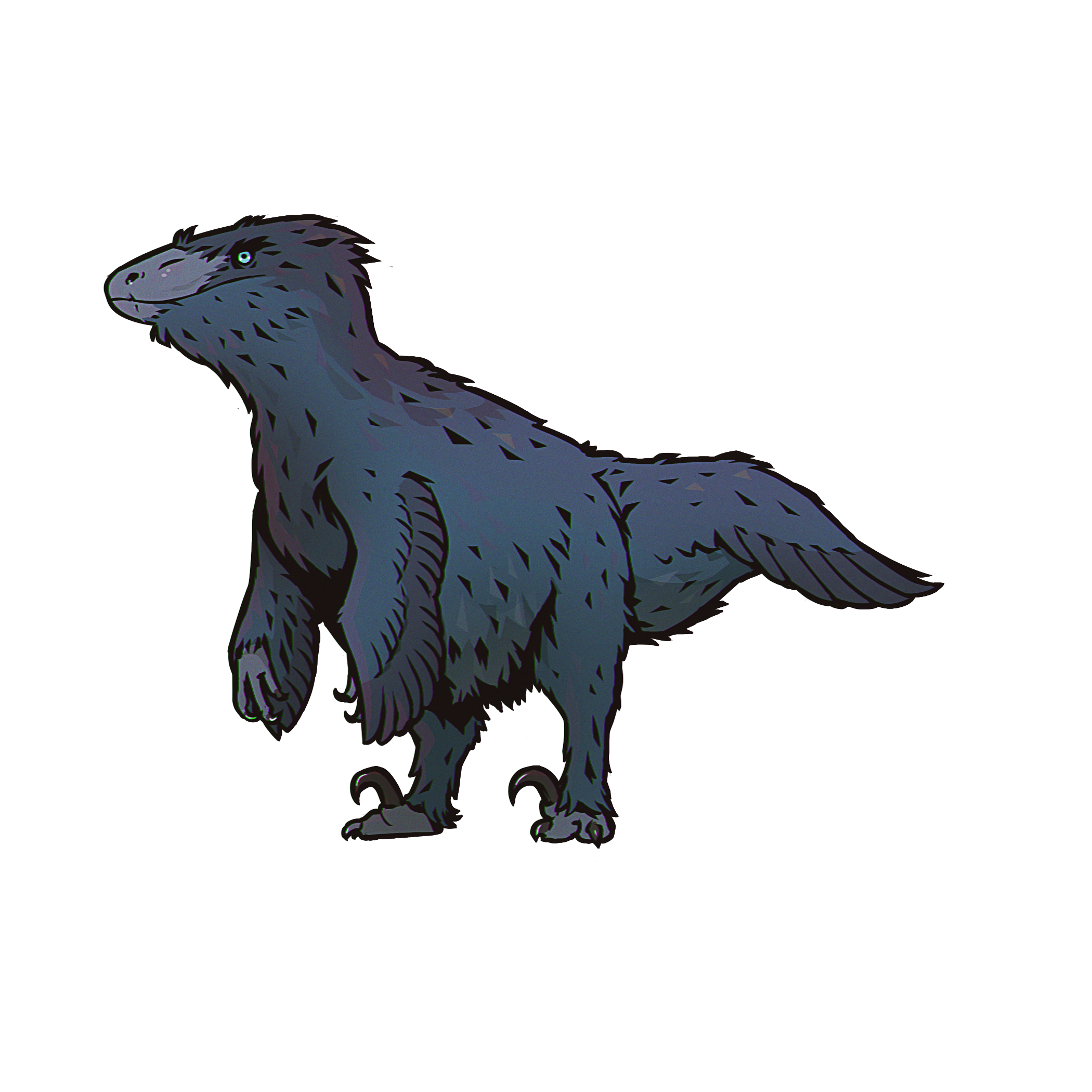
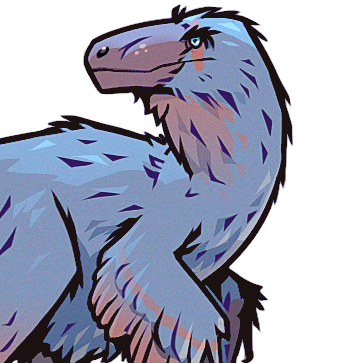
Bluefin Dakosaurus

Dakota is our latest and most sophisticated raptor, featuring the cutting edge of Linux desktop development. It's built from GNOME OS using BuildStream.

Most of the work I've been involved with this cycle has been working on this. (And failing lol). Ahmed and Jordan just got the builds online and we'll probably do another alpha later this month. Things are really great here and I spent some time with the GNOME OS and systemd folks in Berlin this summer to ensure we're on the right track.

James and I worked on the ISOs this cycle, and we finally have one unified ISO that covers Nvidia/AMD/Intel on one ISO. Needless to say this is my raptor of choice and I'm hoping to play with more builds this weekend. Once the builders are up I'll start work on Bluefin's "game mode", offering the very best of OpenGamingCollective's tech.

Bluefin and The Forbidden Factory

The "factory" is a culmination of everything we've been building. I guess it'd be the equivalent of "Universal Blue 4.0". It's simultaneously the most important change in Bluefin's history, and the most invisible! Also spoiler alert it's the second comic!

It's a combination of the server OS, FSDK containers, Kubernetes, Argo, BuildStream with Buildbarn, and everything you need to build Bluefin "on the spot". Basically, instead of "the OS" consider the entire toolchain "the product". Unlike the old methods, this new factory is all about leveraging clankers and putting them to work effectively via hive.
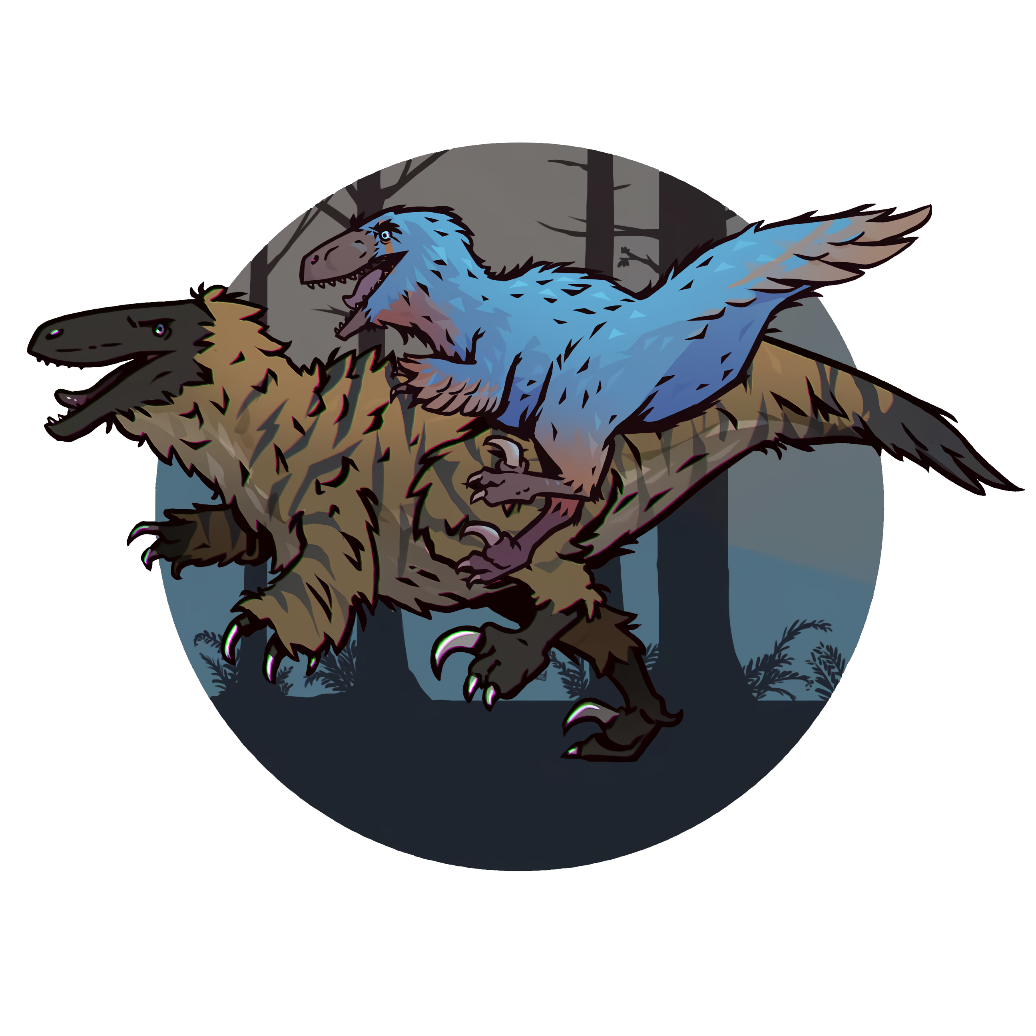
Bluefin dinosaur group

The Factory is a result over about a year of convergence with many groups. We've assembled GNOME 50 desktop tests and have started work on KDE. We test everything in this thing. Each test runs through a full suite. Checks everything, network, apps, and other functionality. We can finally automatically test everything and then post a screenshot at the end of the test.

Fully automated testing

The screenshot you see on the Bluefin releases will be the real release on your computer. Every default app will be tested and will have evidence backing it up. If a e2e test doesn't pass, no Bluefin that day. Computer running weird? Run ujust report and submit the issue and a clanker will go figure that crap out. Life's too short.

And not just Bluefin. We're throwing everything at this thing. Aurora, Bazzite, Fedora Silverblue, Zirconium, GNOME OS. Every time there's a published image we run a battery of tests on it. We are not yet doing visual recognition - this is to catch visual regressions. Right now we're just hoping someone on a testing build is paying attention. It's encouraging to see members from bootc and the UAPI Group working in this space. The idea is to have a completely manageable, reproducible, and sovereign system to run everything, not just a few desktop images.

The Factory dashboard is one of the best ways to see whether an image is actually ready to ship. This is meant to expose more broken things before they reach you. Check out the Hummingbird public meeting this Thursday, where I hope to present on the components in more detail!

I'll also be doing a complete factory tour and explaining our experiences with agentic development. I look forward to moving faster here! I spent a good deal of time on the charts:

Factory snapshot · July 20, 2026 snapshot

The dashboard is live, so those numbers will move after this post ships. The Factory dashboard and its underlying data are the sources for this snapshot. We'll continue to add information here over time!

Freedesktop SDK Containers (Alpha)

Every factory needs purpose-built containers. Since the goal is a fully offline, self-contained build system, we built our own — carved from freedesktop-sdk components using the distroless playbook. 90% of "distroless" is deleting all the docs and not providing shells. We're able to do this quite easily with BuildStream

BuildStream is amazing

I was able to make a mostly functional OS in about 45m with BuildStream. Bluefin will continue to move in this direction since it's clearly got the community momentum we're looking for.

The current images range from a ~40 MB distroless base (glibc, coreutils, CA certs, tzdata) up through distroless Python, Buildah, and Skopeo variants. I also made an omnibus lab-runner with kubectl and a few other tools in one convenient package and a shell for ops work. Two prototypes are worth calling out:

Homebrew nspawn container — a Homebrew developer environment packaged as a systemd-nspawn machine image rather than an OCI image. The systemd folks think this approach is worth investigating, and this is the result of some beer drinking in Berlin. I haven't tried it yet but if you're one of those distrobox-adjacent folks it might be interesting for you.

All images are keyless-signed with Sigstore Cosign and include BuildStream-native SBOMs. Tags track the FSDK point release. The actions are easy to copy — fork and go, no key wrangling required. I am finding the base images to be quite good, and in general I find the fsdk containers to be a nice alternative to Chainguard and other distroless images. For us the benefits are simple, these are the same libraries as the operating system so it doesn't cost us much to make these.

Bluefin Server (Alpha)

Bluefin Server v25.08.13 targets the same space as Flatcar Container Linux, Fedora CoreOS, and Talos — but is built from scratch with BuildStream 2 from freedesktop-sdk components. This one was kind of an accident. I needed a server OS for the new homelab and there wasn't an easy way to get a newer kernel in Flatcar. Since we have BuildStream, making this was pretty straightforward. This is basically the Dakota setup without the desktop.

The OS payload is a compressed XFS DDI filesystem deployed by an offline, systemd-native installer. This is using systemd's new interactive installer. Burn it to disk and run through it and then you're done.

Key properties:

  • DDI image-based updates with atomic rollbacks via systemd-sysupdate
  • Minimal, distroless rootfs — going to shoot for no shell by default with a GUI but we'll see how far we get on that
  • k3s for kubernetes available as a systemd-sysext
  • GPG-verified SHA256SUMS, BuildStream-native SBOMs, keyless signing throughout, all that crap
  • Currently on the GNOME Desktop kernel but I am shopping around, since we're using UKIs swapping out kernels is easy

Alpha 1 is live. Beta comes after the 26.08 FSDK bump next month. KubeStellar dashboard integration is in progress but not ready yet.

Testsuite: Full Desktop and Image Coverage

Bluefin's automated test suite is the quality gate between an image build and promotion. It runs headless Wayland desktop sessions in QEMU on standard GitHub Actions runners and can be supplemented with any hardware.

What it covers

Here's what we've got working on so far. Shoutout to Christian Schaller at Red Hat for guidance:

  • smoke — core GNOME, Settings, MIME handlers, accessibility, desktop identity, Orca, input methods, keyboard layouts, XWayland, ScreenCast, screenshot portals, Online Accounts, and printing
  • common — portable SSH health checks for Flatpak, portals, polkit, shell behavior, immutability, and system health
  • vanilla-gnome — upstream GNOME OS baseline
  • developer — Homebrew and Ptyxis on developer variants
  • dx — VS Code, distrobox, JupyterLab, and mise
  • software — Bazaar app-store behavior and Flatpak CLI health
  • lifecycle — bootc upgrade, rollback, and migration
  • security — Cosign signature verification
  • hardware — udev rules and emulated peripherals
  • bazzite — Bazzite-specific extensions
  • flatcar — Flatcar OS boot and lifecycle

The smoke and common suites are designed to run against any GNOME bootc image so feel free to take it for a spin.

How it works

  • Behave runs the Gherkin scenarios and step bindings
  • qecore-headless bootstraps the Wayland and D-Bus session
  • Dogtail drives the accessibility tree through AT-SPI
  • gnome-ponytail-daemon provides coordinate injection for Wayland
  • GNOME Shell Eval handles the GNOME 50+ top-bar fallback
  • Shared SSH steps assert system state from outside the VM
  • Dynamic suite sharding distributes large smoke and common runs
  • Coverage counts and screenshots publish to the Live Build Health Dashboard

We'll continue to expand it as some tests are better than others.

Reusable integration

Image projects can call the reusable e2e.yml workflow or the gnome-e2e@v1 composite action with an OCI image, selected suites, a test ref, optional native-app skipping, Flatpak screenshot IDs, zstd:chunked coverage, VM memory, CPU count, and disk cleanup. The suite also provides reusable ISO validation for downstream projects. None of this has been tested outside of myself so if you're diving in get ready to get dirty!

Local development uses Python 3.14 with behave, qecore, and dogtail; full GUI runs require a live Wayland and AT-SPI session. The repository includes Argo and KubeVirt plumbing, a coverage dashboard, Codecov reporting, Flatpak caching, and the container images used by the test jobs. (The whole enchilada!)

Does this mean I'll get less bugs?

Yes and no. Most of these aren't blocking yet. A few of them catch issues you've reported in old-bluefin. Some of them give us capabilities we've never had, like mass upgrade testing.

If we had perfect Linux tests no one would ship because the entire desktop stack is a tyre fire lol. However with better, more automated testing we can get to where we need to be!

Suncatcher

Bonus wallpaper from Natalia and Delphic!

Suncatcher artwork from Seven Days to the Wolves

The Lab, Actions, and Finpilot

projectbluefin/lab is the "everyday" part of the lab. It contains everything I am running in the homelab to test Bluefin, etc. It runs image and ISO tests in KubeVirt, handles graphical checks on the lab hardware, and collects screenshots and results that can be attached to a build. That lets us validate the thing people actually install, not just the container build that produced it. These tests are additive and listed on the website.

We're adding these as gates, which means when a contributor merges something it will land in a testing branch. Then as part of the release processes all of these tests run. The lab repo is for people who want to add their homelabs to help with Bluefin. It's messy in there, but if you know K8s, help is always wanted!

The intent is for these to be driven by GitOps, which means no access control or people connecting to remote servers, your agent either opportunistically finds work or is assigned work from hive. Lab repo

projectbluefin/actions is the shared build layer behind the factory. Repositories can use the same workflows for bootc image builds, multi-architecture publishing, signing, SBOMs, and release metadata instead of each project inventing its own supply-chain plumbing. This is the sort of infrastructure that is invisible when it works, but it is what makes the rest of the factory repeatable. These actions are all new and heavily centralized, so if you want your custom image to use the latest tech, check out this repo.

finpilot is still there and now has a new maintainer! This hasn't been integrated into the factory but it's working pretty great. finpilot repository

Merch

The Bluefin store has a couple of especially good ways to rep Bluefin. All of the proceeds go towards artwork, and the kid's shirt is priced the lowest we could make it.

Bluefin Women's Rawr shirt

Bluefin Women's Rawr

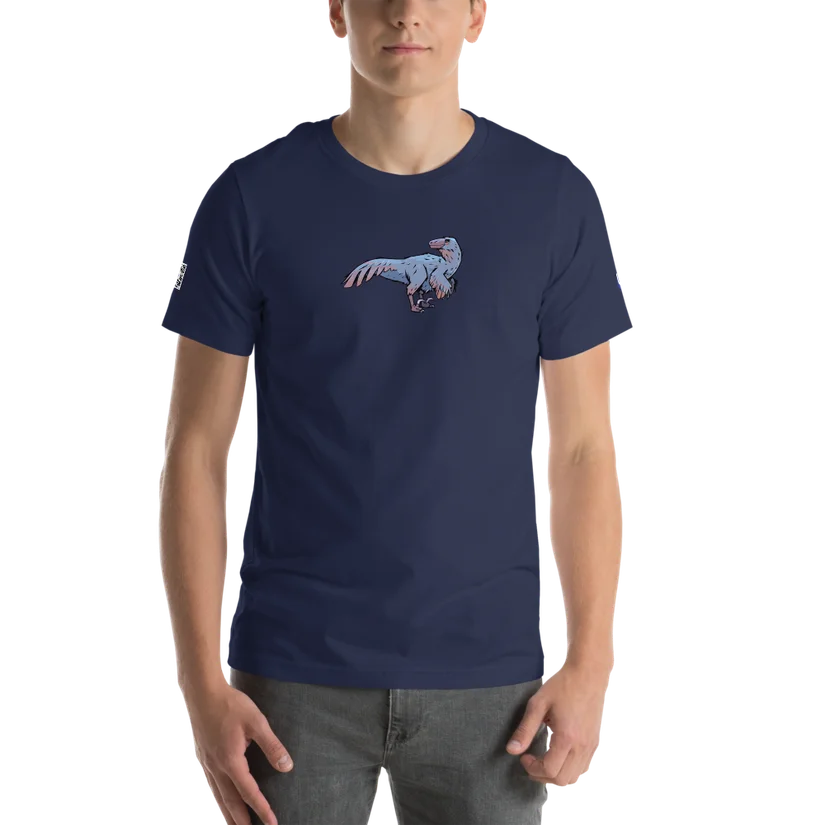
Stabby stabby stabby - a relaxed-fit everyday tee with a little more raptor energy.

Shop the shirt - $16

What's next

Bluefin Utahraptor

The 26.08 FSDK release is next month and Dakota's looking to move to beta so there's plenty to do. In the meantime enjoy your day and rock out to some Wolves metal! Then we cycle into Fall.

As always thanks for joining us and keep on rocking! Feel free to ask questions, we covered a ton!

Organizational Migration for Bluefin LTS/GDX

· 4 min read
Jorge O. Castro
Director of Dinosaurs

Hello guardians,

We're starting the transition away from ublue-os/bluefin and bluefin-lts to projectbluefin. This is part of the move to factory.projectbluefin.io. I'll have more details over the next few days. It's our fifth birthday on July 21st so in a way we're kinda relaunching Bluefin. I hope to post updates between now and then so that we can party after.

tldr: GNOME 50, newer kernel support, cleaner OCI layers, NVIDIA as a proper separate image, no more -dx/-gdx images, all userspace baby! You don't do anything but hang out.

LTS and GDX users, this one's for you, the rest of you will come later. GDX's builds have been struggling so you're going first. Thanks to those who tested; we found real issues that have helped the project.

Upgrade Instructions

ublue-os/bluefin-ltsprojectbluefin/bluefin-lts

The biggest change is image consolidation, DX/GDX images have been merged:

  • "Bluefin DX" will be moving off of images and into userspace with ujust devmode, if you're missing anything please file an issue.
  • "Bluefin GDX" will also be moving to userspace with "ujust aimode", but this doesn't exist yet.
  • aarch/amd64 all across the board, even ARM/Nvidia hell yeah! (It's Ampere time!)

We're also adding hooks for the IDEs/tools in Bazaar to highlight some of these. So instead of images these will just be modes you can add on. One of the reasons we were struggling with GDX is the GitHub runners didn't have enough space/resources for something so large.

CUDA can now just be consumed via containers - the ujust aimode will look just like the developer mode but we'll have options for pytorch, etc. If you're on an AMD machine you might have seen the preview in bctl

ugly

Wow that's ugly! Now you see why we hid it, but you get the idea, start thinking of bundles. bctl is short for bluefin control but probably won't expose it, centralized just is just too good.

OCI Things

These images use chunka to create smaller layers, and LTS was already svelte. This brings us in full upstream alignment with bootc.

  • Signing: We moved from keys to Keyless OIDC (Fulcio/Rekor), ensuring that my shame will live on in the past. This is nice for custom image builders too, no more pub key in your root and pasting in github secrets to get going. Savage. Not fully implemented yet, but still working on it.
  • SBOM: Each image has full SBOMs etc, I'm still working on these, but both of these steps are modelled after proper usage according to upstream. The docs, website, and ujust changelog will source from these if they aren't already.

The end state is any version of anything that you see on the website should be what's on the latest image and not manually updated.

Kernels

No one was using vanilla Bluefin LTS (who wants to use 6.12 lol) so we've consolidated everything onto Fedora's kernels

Other

  • GNOME is now 50 across the board
  • :testing branches will land all code, if you're a nerd hop onto these
  • These images are a huge improvement, especially with our testing suite (more info later), however you will for sure find cosmetic issues since we tend to ignore those until the end lol.
  • Please use ujust report, even for minor issues!

Migration Schedule

Legacy ImageAuto-Migrated?TargetStatus
ublue-os/bluefin-gdx:ltsYes, automaticprojectbluefin/bluefin-lts-nvidia:stableCanary rolling out now
ublue-os/bluefin:ltsSoonprojectbluefin/bluefin-lts:stableAfter canary validates
ublue-os/bluefin:lts-hweSoonprojectbluefin/bluefin-lts:stableAfter canary validates
ublue-os/bluefin-dx:ltsSoonprojectbluefin/bluefin-lts:stableAfter canary validates
ublue-os/bluefin-dx:lts-hweSoonprojectbluefin/bluefin-lts:stableAfter canary validates

Feel free to ask questions!


Source Discussion

GitHub Discussion #4802

Knuckle: Flatcar Container Linux for the Home

· 6 min read
Jorge O. Castro
Director of Dinosaurs

Check out this announcement about Azure Container Linux GA. I won't be talking about Azure Linux 4.0. That's the "distro".

Let's talk about Flatcar Linux instead. This is an OS that's stripped down, designed for you to drop what you want on it. It is in the CNCF and a perfect fit for us. Every raptor needs a nest. Afterall, linux is linux. Our homelabs should be badass.

The Problem with Installing Flatcar (and CoreOS)

Both Flatcar Container Linux and Fedora CoreOS use Ignition for first-boot provisioning — a powerful declarative system that requires you to write a complete JSON (or Butane YAML) config file before you can install. There is no interactive configuration during install it's pretty nerdy. Basically for all intents and purposes, uninstallable for enthusiasts. For experienced Kubernetes operators this always-in-pain life is fine, but for homelab users and folks new to container-native Linux, it's annoying. And our mission is to help OSS developers which means, we cover all aspects. And from reading the room, I think a lot more people are going to want to self host. And so are organizations. This is why it has to be cloud native, you gotta have the server ↔ client goodness to compete.

It would be madness to create our own installer, so Knuckle just translates that stuff into something the Flatcar installer understands and then that's it. It's the real image. And we added some nice conveniences like choosing systexts. That's it. A pure vanilla brick wth a fancy ignition translator. What are you going to build with yours? Here's what we've been working on:

Enter Knuckle

Knuckle TUI installer — the guided wizard welcome screen

Knuckle is a TUI "installer" for Flatcar Container Linux. It gives you an Ubuntu-server-style guided wizard that generates a valid Ignition config and passes it to flatcar-install — no hand-crafted JSON required. Knuckle is "basically Azure Container Linux (Home Edition)." but it's the upstream unbranded one with not many strong opinions.

We even wired in the sysexts and whatnot.

Knuckle sysext catalog — browse and select system extensions from the Flatcar Bakery during install
Knuckle install progress — live progress bar while flatcar-install runs

Note: Knuckle is pre-alpha software. It will wipe the target disk. UEFI-only; BIOS/legacy boot is not supported.

Why Flatcar?

Flatcar is an awesome OS, here's a list. I like it because it offers different stability channels, making it easy to canary test on clusters, etc. But it's also a great building block to build your server on:

  • Read-only system partition — dm-verity protected; eliminates a whole class of vulnerabilities
  • Automatic atomic updates — using the same mechanism as Google ChromeOS; atomic rollbacks supported, this is actually built with Gentoo upstream!
  • System Extensions (sysexts) — Extend your server with the Flatcar Bakery
  • Ignition provisioning — declarative first-boot config, shared format with Fedora CoreOS
  • No package manager — user workloads run as containers (Docker, Kubernetes) or sysexts; the OS itself never drifts
  • CNCF governance — vendor-neutral, community-maintained, built to outlast any single company's interest
  • Production-proven at scale: Adobe (18,000+ nodes), STACKIT (20,000+ nodes, their customers' most popular OS choice), and many more

People sometimes ask why we don't make a Server Edition. It's because we don't care about distributions it's all Kubernetes. :) And even if it fails at that we can prove people want it. But the nice thing about flatcar is it comes empty and is great for lots of projects. For me it's the last OS you install on your new server build. Problem solved, I have jellyfin to set up let's go!

Intent

This project is intended to spread the use of Flatcar Linux and Fedora CoreOS to the home enthusiast audience. Digital Sovereignty isn't just for nations, so we're going to use the tools nations use to make our lives awesome. We hope that this will live somewhere upstream and unites the CoreOS family.

Knuckle is feature complete, we won't be adding whizbang features, it's vanilla only and will only ever support vanilla. However ...

Bluefin Server?

Since this is all well designed cloud-native stuff: "upstream + opinion = product".

  • k8s configured for single node operation, easy to expand (you just set up another one)
  • Single webui to schedule whatever you want, say jellyfin, all the self-hosted stuff of your dreams
  • All that dashboard stuff you want to show off to your friends with
  • kubevirt out of the box, import your old VMs and redeploy on your new system.
  • Out of the box gitops so you can operate the entire cluster from version control
  • No CLI, No ssh, or kubectl access at all - entire cluster is API or MCP driven, magical tailscale integration
  • Standard industry gear, Kubernetes, Argo Workflows, k8s-mcp-server, bring your own workload

Now THAT is an opinion! I have a version of this running in my lab now, and we'll keep iterating, so start with ideas. It's still early days but I'm sure many of you will start prototyping with Flatcar, sky's the limit!
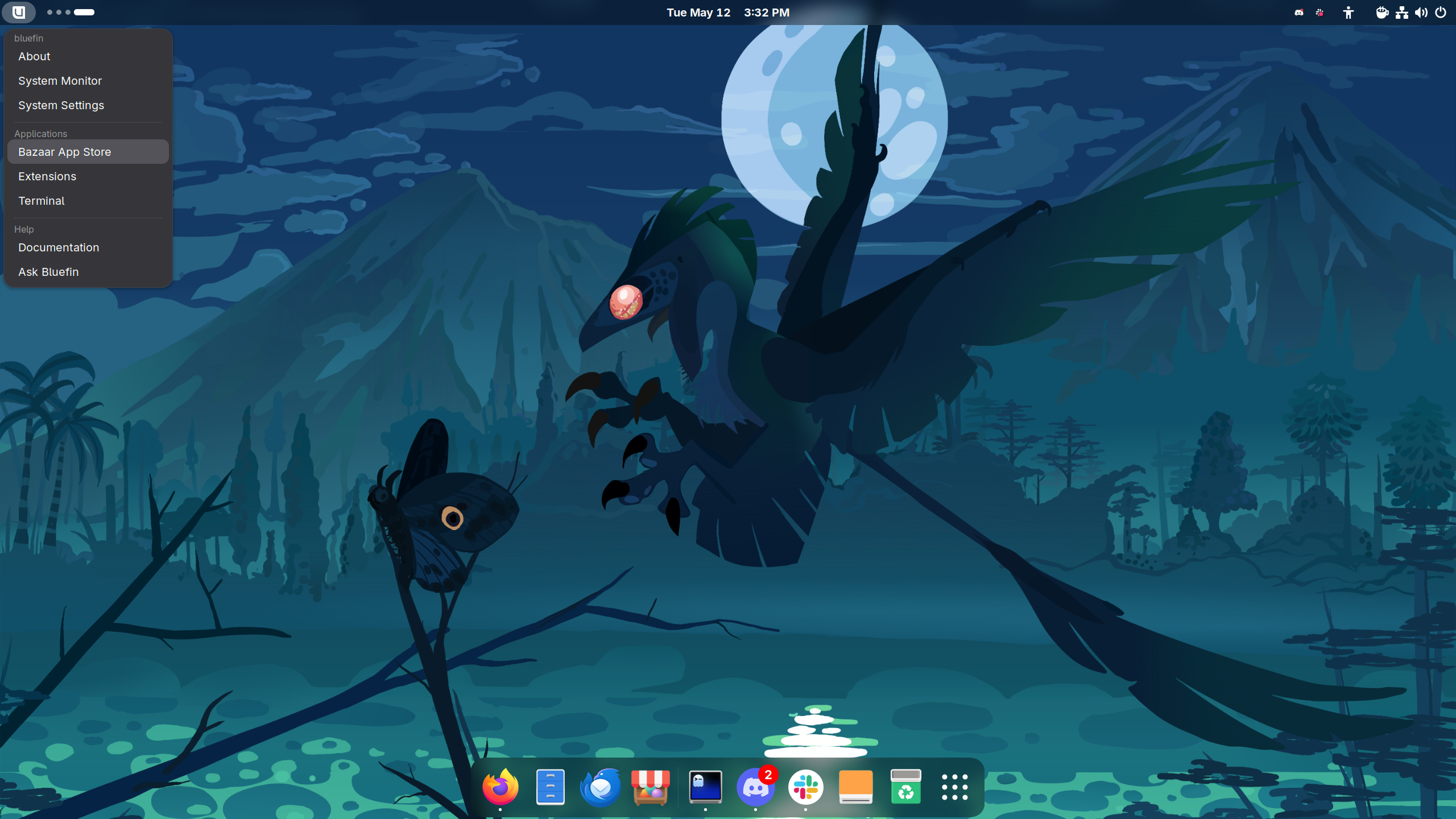
Get Knuckle

Download the installer ISOs from the GitHub Releases page:

ArchitectureDownload
amd64knuckle-installer-stable-amd64.iso
arm64knuckle-installer-stable-arm64.iso

SHA256 checksums and cosign signatures are published alongside each release.

  • SSH in as the core user with the key you configured
  • The OS updates itself automatically on the schedule you chose during install
  • Add software via sysexts (/etc/extensions/), containers (Docker/Kubernetes), or distrobox
  • Reprovision by re-running knuckle — no in-place mutation

Discussions

Gradia Capture Comes to Bluefin

· 2 min read
Coda
Bluefin Contributor

Screenshots are bug reports, social posts and memes. The faster you can capture the thing, draw an arrow at the thing and send it, the better.

Bluefin is rolling out an upgraded screenshot experience with Gradia and Gradia Capture. The Gradia Flatpak is built in and ready out of the box for new users (Existing users might need to install it in the Bazaar App Store, we'll figure out how to automate it, send issues!) and Gradia Capture hooks into GNOME's screenshot flow so the path from capture to annotation feels native.

Gradia Capture annotating a screenshot from GNOME's screenshot workflow
Gradia Capture enhances GNOME's screenshot flow with annotation, OCR and Gradia integration.

Capture, mark up, send it

Gradia gives you the finishing tools that screenshots usually need before they are useful: text, arrows, censoring, padding and quick upload. Gradia Capture brings that into the screenshot moment with annotations and OCR text recognition, optionally you can hand it off to Gradia for further editing.

Gradia and Gradia Capture are built by Alexander Vanhee. If this saves you time, please send some support upstream. Supporting builders like Alexander helps keep that momentum going and helps modern Linux desktop like Bluefin keep shipping great apps out of the box.

Discussion Thread

Making Our Own Fate: Dakota Alpha 2

· 13 min read
Jorge O. Castro
Director of Dinosaurs

The Final Shape is here...

RELEASE SOUNDTRACK TO HUNT BYBluefin and the Lost Tribe of Contributors

Ok look we made another Bluefin. I know what you're thinking (especially you McPhail!). We got rid of Bluefin GTS and now the team decided to make another one. How many of these things are there, it's like a string of Jurassic Park sequels. First let's level set. The product is Bluefin. That's the default Fedora one.

Dakota Alpha 2 desktop screenshot

Your favorite murder chicken is safe. We don't expect normal people to know what Dakota is anymore than we expect them to know what a Koenigsegg is. I can't even pronounce that name! We remain a project designed for cloud native practicioners, so we offer the very best tech the desktop has to offer. And there's good tech in BuildStream and GNOME OS, there's a compelling set of options here. This one just goes all in. I would not call yesterday's Fedora Hummingbird announcement a coincidence.

And now for the mysterious new raptor who keeps making waves:

Bluefin Dakota

latest-20260613June 13, 2026
Kernel7.0.7Gnome50.2Mesa26.0.6Podman5.8.2Nvidia610.43.02bootc1.16.0systemd260.2pipewire1.6.1flatpak1.16.6

Dakota is our newest "distroless" raptor. It's built from source and directly published as a bootc image, no traditional package manager involved at all.

Wait, this is just Gentoo.

Chris Aniszczyk, CTO Linux Foundation and former Gentoo contributor

Dakota features a more aggressive push away from legacy technologies, pure image mode only. Just the best desktop we can ship, direct from GNOME and Freedesktop SDK right to you. We remove the concept of "the Linux distribution" being a platform and the top primitive, the Freedesktop SDK libraries and Flathub are our platform. No compromises. Dakotaraptor is daily driveable and has quickly exceeded all expectations.

  • GNOME 50, Linux 6.19.x, Mesa 26.x, and Freedesktop SDK 25.08.11 libraries
  • systemd-boot, UKIs, UEFI only, compiled for the x86-64-v3 architecture level
  • Oxidized coreutils - same sudo-rs and uutils setup as Ubuntu - thanks to Canonical for funding this important work
  • Mostly feature complete, it's a full Bluefin
  • Custom Command Menu — Dakota features a newly refined menu. We hope to bring this menu to other Bluefins over time.
  • Ghostty as the default terminal

Since Dakota is brand new there's no users to transition when we switch something. We are switching to Ghostty as the default terminal. This has always been a fan favorite so we're starting with it fresh here.

Last I talked to Christian Hergert we discussed having ptyxis just use a libghostty backend. This is not only totally possible but would be the ideal situation! Someone please make this.
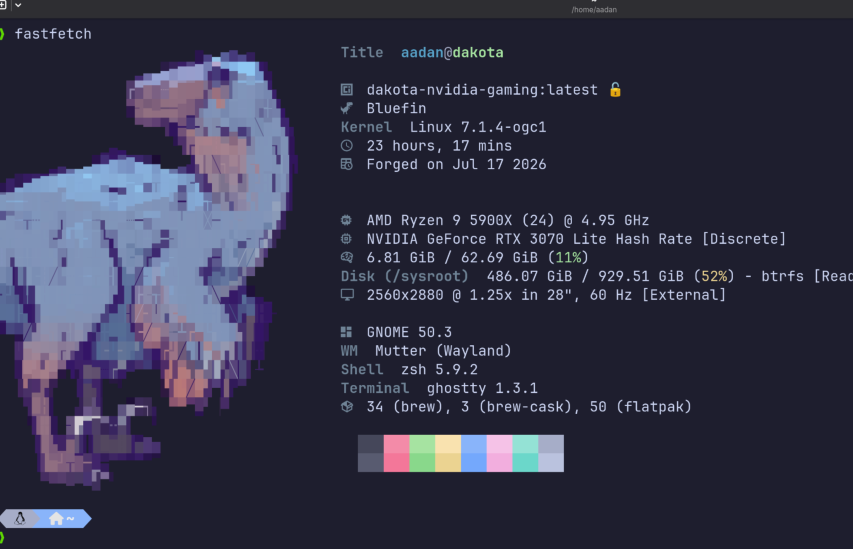
Changes since Alpha 1

Thanks everyone who helped test, you've done a great job!
  • LUKS encryption works on install
  • Full Nvidia Image
  • Efficient layering - this image uses the upstream chunkah tool for more efficient downloads. We expect efficient delta downloads to land sometime this summer, but the infrastructure is in place now
  • Linux 7.x kernel will land once some of the bootc issues with 7.x are resolved
  • Beta target: Probably a month or so; GA target: Fall 2026
  • Want to help? GNOME OS upstream is always looking for help: os.gnome.org

Gotchas

And the big one. We cannot guarantee that this installation will be the final layout. GNOME OS is transitioning to systemd-homed eventually. That will mean either a manual transition or reinstallation. As such we likely will not go GA until this transition completes. We expect a lazy summer beta.

What now? It has been an absolute pleasure working with BuildStream over the past few weeks. The team has committed to the hardware necessary to make builds faster and the local development experience has been the best we've ever had. It has become clear and obvious to me that the combination of BuildStream and bootc brings a level of automation and developer experience that will be tough to beat.

Here's the hot take: If you look at all three raptors, all else being equal, the best development experience and best infrastructure always wins in this space. We have over a decade of cloud native industry experience to prove it, Kubernetes runs the world for a reason. This workflow is now in the Linux desktop space. I firmly believe that buildstream/bootc combined with our gitops approach will deliver a fantastic product.

Thanks to Brian Ketelsen and James Reilly for the Tuna installer. Yes they called it the Tuna installer. lol.

Thanks to Jordan Petridis, Valentin David, Adrian Vovk, Felicitas Pojtinger, and the GNOME OS team for their expertise and advisory roles - we couldn't do this without you!

Bluefin's Download Diet: Introducing Chunkah

Yes, they called the upstream rechunker "Chunkah". A rechunker is a thing we use to take an image and reslice it into more chunks. ghcr.io/projectbluefin/dakota is sliced into 120 layers instead of one big unresumable download for updates. It also takes content of the image into account. The idea being if you have components that update often, they would be group together in layers, and things that don't get updated often are group together.

That means if your computer doesn't need that layer for that update, it doesn't get downloaded. Additionally partial zstd:chunked pulls will complement the layering. This will mean that your computer will also only download the parts of the layers it needs. When combined this finally brings efficient downloads to the bootc ecosystem. Initial findings are looking good.

These alpha images are rechunked by Chunkah, but unified storage does not work on the composefs backend to bootc yet so it's not done.

Why tho? A Call to Action

After all that praise of an alpha product of all things, some may misconstrue this as abandonment of the other Bluefins or a lack of focus. Now let's talk about how we got here.

Disclaimer

This section is my opinion and does not reflect the views of the team, but is instead a reflection of my 20+ year journey working in Linux.

-- jorge

The Shoulders of Giants

Bluefin's mission is sustainaiblity, that means people. Bluefin LTS is there so we have a reason to bring people like Carl George and Shaun McCance into our ecosystem. Without Bluefin LTS Red Hat would not have as much of a financial incentive to help us out. We drive bootc forward, they invest in the software and sell it as part of their product. It's the Circle of Life, but with Linux. Red Hat did afterall, give us millions of dollars of engineering for free.

Same thing with Fedora, it's our line to that center of gravity. And we have a new approach with Fedora Hummingbird, attracting more people. It's not about the software, it's about the ecosystems we make along the way. Sounds like the kind of tripe the Linux Foundation loves to peddle! Dakotaraptor has one foot in the bootc world and one in the UAPI world.

Speeeeed

We will participate in both of those large ecosystems; that brings in the largest group of talent. Projects live and die based on the contributors that show up. We will always endevaour to work the best people at the cutting edge of Linux. We're ops people, mastery of all Linux is a requirement.

The CNCF Community via bootc, composefs, podman, and oras. The UAPI community bringing in the Linux userspace. Sounds great, let's go. Someone from Amutable please save me a shirt!

The Race to Sustainability

Colin Walters describes communities like this as "Centers of Gravity" - and we're all in one gigantic galaxy, everyone pulling and pushing around different ecosystems. All made possible by open source tools, amazing.

The state of Dakota Alpha 2 is impressive considering how few people it took to make it. For us our job is to make Bluefin as thin of a config layer as we can, our opinions are mostly in userspace anyway. It should be noted that this way is always cheapest. It is always cheaper to fix things upstream closer to the source. It's called "shifting left", yes there's a term for it lol. Welcome to cloud native.

It's here

There are those that will say that GNOME OS and KDE Linux make no sense, that's what distributions are supposed to do. I push back against that. 4% marketshare in 30 years is not a success story. And the ones that are growing are designed to be used as reliable clients and not package manglers.

Timothée Ravier once said, people don't want distributions they want experiences. And these operating systems will prove it. No one will ever give you a better KDE experience than KDE. That wasn't true in the past because distributing software over the internet was hard. Now not only is it much easier, these organizations can start greenfield with the state of the art rather than trying to adapt old techniques to the new world.

Best infrastructure wins. Fastest and cheapest development wins.

If you're into GNOME work on GNOME OS, if you're on KDE work on KDE Linux. If you like Fedora work on that. Make a friend, donate to an app developer.

Prove it, nerd

I will be discussing this in my talk at the Linux Application Summit: Making our own Fate: Why GNOME and KDE need operating systems - be there!

This is of course, all from our point of view.

GNOME OS would prefer we ship a DDI image. And some would prefer we don't exist at all and just sit as a systemd-sysext in GNOME OS. Sure, someone make one, we have buildstream, would you like fries with that? And with so many RPM-based people in the bootc world I am sure there are people who prefer that Bluefin just focus on being a Fedora with batteries included and nothing else.

But we are a forcing function - the dinosaurs are there to remind us that only the best survive the harshest ecosystems. This is especially true in the resourced starved Linux desktop ecosystem. We will continue to push. Some software is not going to make it. See you in the trenches, thanks!

It really is just a conspiracy

We built Universal Blue. Aurora, Bazzite, and Bluefin, as a team.

Then opportunites opened up for our contributors to work for organizations at the forefront of Linux. The Linux Foundation, Microsoft, Chainguard, Red Hat, and others. Driven to build around open standards but leaving room for commercial entitities to exist and thrive. And that's just the core team, as you can see from our contributor lists, the cloud native ecosystem is a significant center of gravity in open source.

You have proven that enthusiasts matter and can shape the future of the desktop. Level up your skills and organizations looking for open source talent will take you seriously, and in today's brutally competitive job marketplace, expertise in open source matters.

There's no right way to Linux, but there are certainly wrong ways to Linux. If you're new to Linux, welcome. We are your starter dungeon. We're your sysadmin team, nice to meet you, we've got your back. Greatness awaits. And also pain. Mostly pain.

Merch

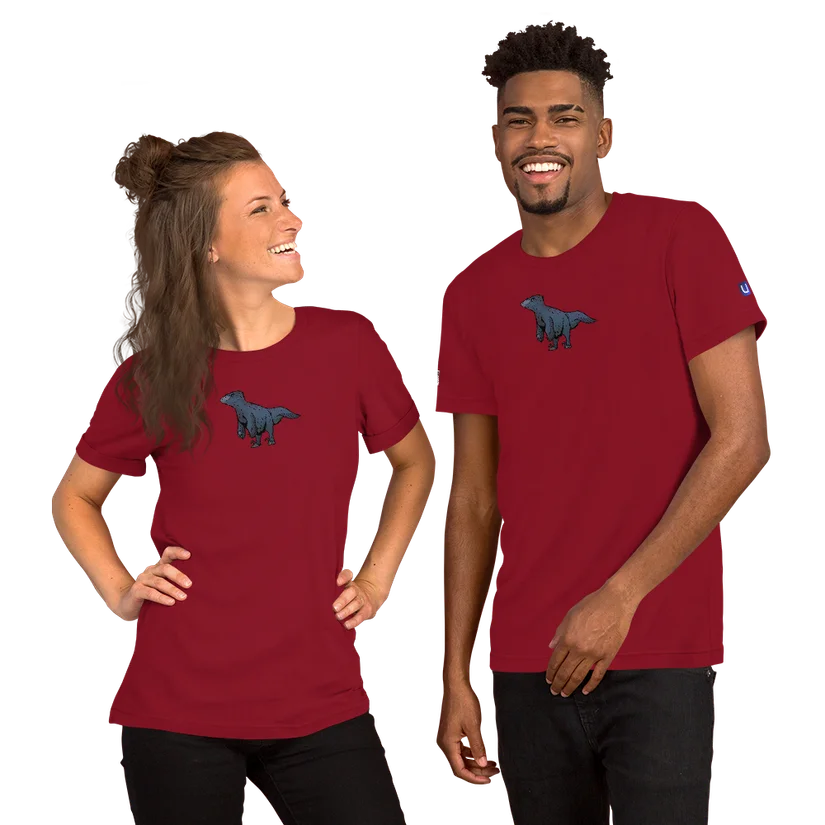
Celebrate the release of a new top predator with our stylish "Dakotaraptor Forever" shirt.

Check out the rest on store.projectbluefin.io →

Download

The Resonant Assembly

One last group of people to thank. These community members participated in GitHub Discussions over the last six months. Asking questions, sharing tips, helping newcomers, and keeping the conversation going is just as valuable as code. Thank you for your help, it's important!

The Resonant Assembly

Loading...
Loading...
Loading...
Loading...
Loading...
Loading...
Loading...
Loading...
Loading...
Loading...
Loading...
Loading...
Loading...
Loading...
Loading...
Loading...
Loading...
Loading...
Loading...
Loading...
Loading...
Loading...
Loading...
Loading...
Loading...
Loading...
Loading...
Loading...
Loading...
Loading...
Loading...
Loading...
Loading...
Loading...
Loading...
Loading...
Loading...
Loading...
Loading...
Loading...
Loading...
Loading...
Loading...
Loading...
Loading...
Loading...
Loading...
Loading...
Loading...
Loading...
Loading...
Loading...
Loading...
Loading...
Loading...
Loading...
Loading...
Loading...
Loading...
Loading...
Loading...
Loading...
Loading...
Loading...
Loading...
Loading...
Loading...
Loading...
Loading...
Loading...
Loading...
Loading...
Loading...
Loading...

Filing Issues

Discussion Thread

The Dinosaur and the Hummingbird

· 2 min read
Jorge O. Castro
Director of Dinosaurs

Hey, you know who is good at making "distroless images"? Distros.

  • Scott McCarty, Challenger of The Final Shape

It seems Fedora Hummingbird has been revealed. Of course Red Hat built this, modern infra demands modern images. All they had to do was put a kernel in there. So they did. It's awesome that this will be done in Fedora!

I had heard the rumors. But it wasn't until I put two and two together and realized that Red Hat had quietly hired two Universal Blue core maintainers. They will be on the team building this. In the open, along with everybody else. This will take them some time to cook, there is a ton of work ahead. But it's closer than you think. I was able to cobble together a prototype in a day. Most of what you're about to see was grabbing the Fedora RPMs and and smelting it together. But it worked. It booted just fine.

Bluebird — a Bluefin prototype running on Fedora Hummingbird

This is also the reason why we're not doing the stable->testing->next plan. We'll likely do more one off testing branches, but work on the sealed images and Hummingbird will attract the right kind of nerds to make this interesting. I think it's cool that they're putting this in Fedora. You have the evolution of the tried and true way + a continuous integrated option that can be the prototype for a greenfield Silverblue and Kinoite.

This does not exist (yet)

Well, I got what I wanted, a CoreOS style base image to have a true "CoreOS Desktop". So is Fedora rolling or stable? Yes.

I hope some of you step up and accept's Scott's challenge, we have an opportunity to do something brand new, chances like this don't come along often! A place for a cloud native in Fedora, I can't wait to see what Legends rise.

Discussion Thread